

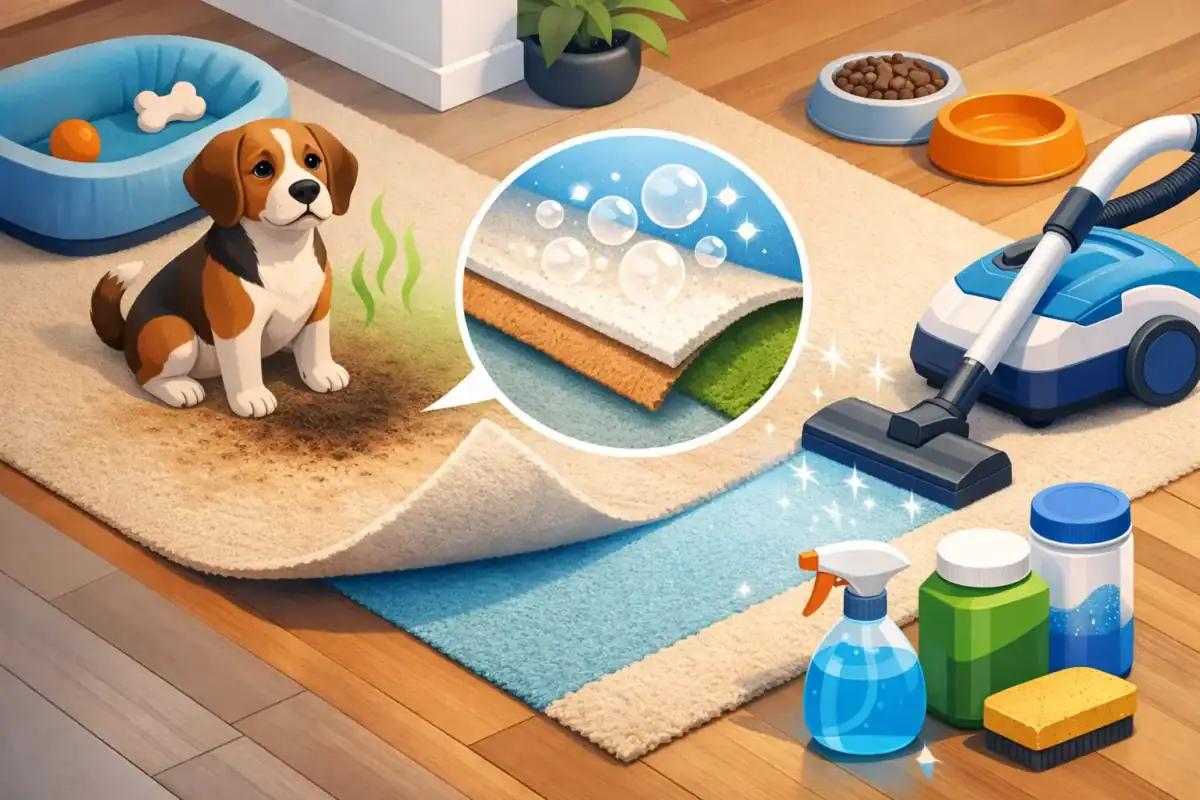
That pet smell usually shows up at the worst time – right when guests are on the way, a lease is ending, or you are getting the house ready to sell. If you are trying to figure out how to remove carpet pet odors, the biggest mistake is covering the smell instead of treating what soaked into the carpet, pad, and sometimes even the subfloor.
Pet odors are stubborn because they are not just sitting on the surface. Urine, dander, oils, and bacteria can settle deep into carpet fibers. In Albuquerque homes, that problem can get worse when dry air helps a stain seem gone, but the odor returns the next time there is humidity, steam, or basic foot traffic.
Why carpet pet odors keep coming back
A lot of homeowners do the right first step and blot the area quickly, but odor lingers because the source is still below the surface. Once pet urine dries, it leaves behind crystals and organic material. Those deposits can reactivate later and release smell again.
That is why standard sprays and grocery store deodorizers often disappoint. They may make the room smell cleaner for a day or two, but they do not break down the waste causing the odor. If the carpet pad absorbed the accident, surface cleaning alone will only get you part of the way there.
There is also a difference between a fresh accident and an old stain. Fresh spots are easier to remove because the material has not fully bonded to the fibers. Older pet odors take more work, especially in high-traffic areas where the stain has been stepped on repeatedly.
How to remove carpet pet odors without making it worse
The safest approach is simple, but the order matters. If you scrub too hard, soak the carpet, or use the wrong product, you can spread the stain or push it deeper.
Start by blotting the area with clean white towels or paper towels if the accident is fresh. Press firmly to pull up as much moisture as possible. Do not rub. Rubbing frays the carpet fibers and spreads the contamination outward.
Next, rinse lightly with cool water and blot again. The goal is to dilute what is left near the surface, not flood the carpet. Too much water can soak the pad and create a bigger drying problem.
After that, use an enzyme-based pet odor remover made for carpets. This is usually the best product choice because enzymes are designed to break down the organic matter that causes the smell. Follow the label directions carefully. Some products need time to stay damp and work properly, so rushing the process can limit results.
Once treated, blot away excess moisture and let the area dry completely. A fan can help. If the carpet stays damp too long, mildew can join the problem, and then you are dealing with two odors instead of one.
The best cleaning products for pet odor in carpet
If you are choosing between options at the store, skip heavily perfumed products that promise instant freshness. Strong fragrance can mask the issue and make it harder to tell if the odor is actually gone.
Enzyme cleaners are usually the most effective for urine and organic pet messes. Oxygen-based carpet cleaners can also help with some stains, but they are not always enough for odor removal on their own. Baking soda can help absorb light odors after the carpet is dry, but it is not a complete fix for a deep accident.
Steam cleaning sounds like the obvious answer, but it depends on the situation. For some carpets, professional hot water extraction is a solid option. But using high heat on untreated urine residue can sometimes set the odor and make it harder to remove. That is one reason professional assessment matters when the smell has been around for a while.
When DIY works and when it does not
If your pet had one recent accident and you caught it quickly, there is a good chance you can solve it yourself. The same goes for mild odor from pet traffic, especially if the carpet is otherwise in good shape and you clean it routinely.
DIY becomes less reliable when the smell is strong in one area, keeps returning, or has spread across multiple rooms. That often means the contamination reached the pad or subfloor. In rental turnovers and move-out situations, this is especially common because old pet damage may have been covered up instead of corrected.
There is also the question of time. If you are juggling work, kids, showings, or tenant deadlines, it may not make sense to spend an entire weekend trying product after product. A professional carpet cleaning team can usually tell fast whether the odor can be treated successfully or whether part of the carpet system needs replacement.
How to find hidden pet odor spots
One challenge with pet odors is that not every accident is easy to see. You may smell something but have no clear stain to treat. Start by checking corners, room edges, and spots near furniture. Pets often return to the same areas.
A UV black light can help reveal old urine spots that are not visible in normal lighting. This is useful before deep cleaning because it shows where to focus your effort. Just remember that not everything that glows is pet urine, so use it as a guide, not absolute proof.
If odor is spread throughout the room instead of tied to one location, the issue may be broader than a few accidents. Built-up pet oils, dander, and tracked-in dirt can all contribute to that stale animal smell. In that case, whole-room carpet cleaning is often more effective than treating spots one by one.
How to remove carpet pet odors in rentals and homes for sale
For landlords, property managers, and homeowners preparing to list a property, pet odor is more than an annoyance. It can affect showings, reviews, deposits, and offers. Buyers and renters notice smell immediately, and they usually assume the worst if it is still present.
This is where being realistic matters. If the odor is light, professional cleaning may be enough to refresh the carpet and improve the space quickly. If the smell is heavy and concentrated, especially near baseboards or in repeated pet areas, replacement of pad or sections of carpet may be the smarter investment.
A clean-looking room is not always a clean-smelling room. That matters in real estate because people make fast decisions. If they walk in and smell pet odor before they notice anything else, the home starts at a disadvantage.
Preventing pet odors from building up again
Once the smell is gone, regular maintenance is what keeps it from returning. Vacuuming helps with hair and dander, but it does not remove what settles into the base of the carpet. Periodic deep carpet cleaning is the bigger factor, especially in homes with multiple pets or older animals.
It also helps to address accidents right away, wash pet bedding regularly, and keep pets groomed. Cleaner coats and paws mean less oil and dirt working into the carpet. In busy homes, that daily wear adds up faster than most people realize.
Some homeowners use rugs in favorite pet areas, which can be a practical solution. Rugs are easier to clean or replace than wall-to-wall carpet. Just make sure the rug and pad underneath are cleaned too, or the smell will simply shift locations.
When it is time to call a professional
If you have cleaned the area more than once and still smell it, that is usually your answer. The odor source is likely deeper than consumer products can reach. The same is true if the carpet smells stronger on warm afternoons, after mopping nearby floors, or when the AC kicks on and moves air through the room.
A professional can help identify whether the problem is in the fibers, the pad, or below the carpet altogether. That saves guesswork, wasted products, and a lot of frustration. For Albuquerque homeowners, renters, and landlords trying to protect a property and get dependable results, that can be the difference between a temporary fix and a room that actually feels clean again.
If the goal is a home that smells fresh when someone walks through the door, treat the cause, not the cover-up. That is the part that lasts.