

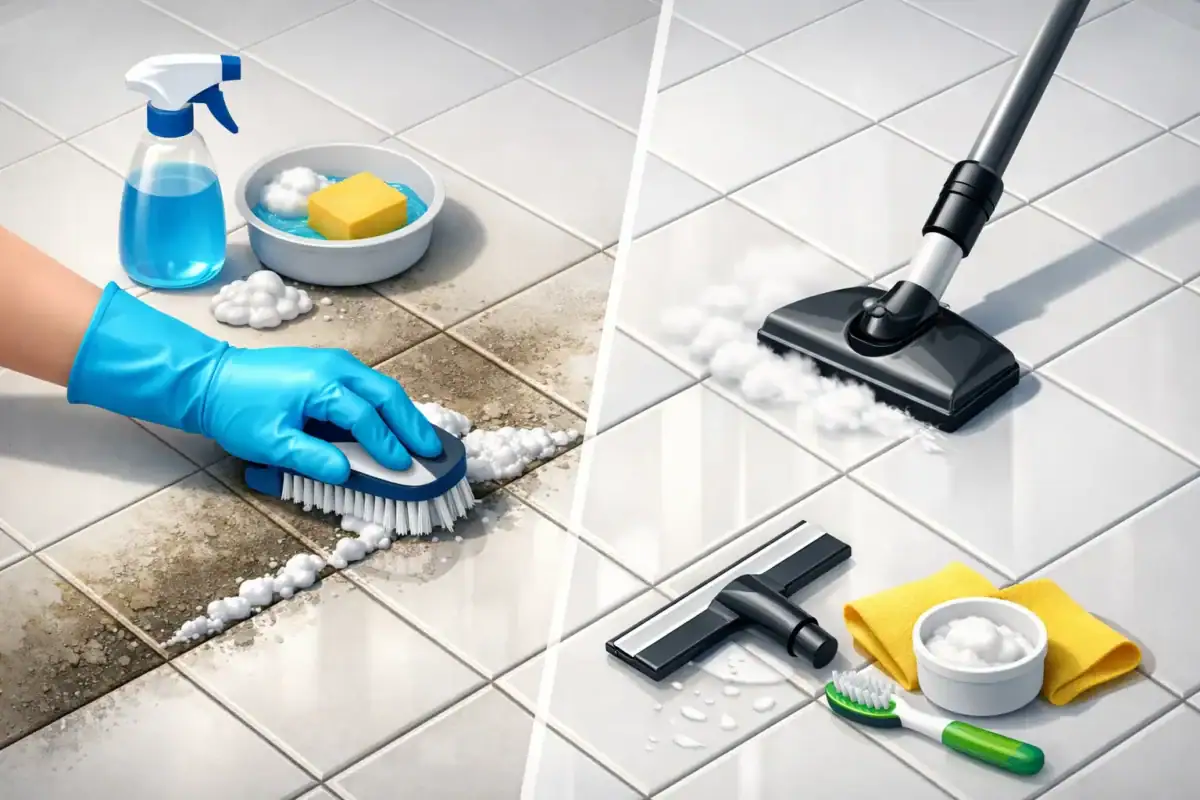
Grout can make a clean floor look dirty even when the tile itself is spotless. If you have dingy bathroom tile, kitchen floors with dark traffic paths, or shower grout that never seems to brighten up, learning how to clean grout lines properly can save you time and help your home look cared for again.
The trick is not using the strongest product you can find and hoping for the best. Grout is porous, which means it absorbs dirt, soap residue, grease, and hard water minerals. That also means the wrong cleaner or too much scrubbing can wear it down. A better approach is to match the method to the kind of buildup you actually have.
How to clean grout lines without damaging them
Start by figuring out what you are dealing with. In bathrooms, grout usually collects soap scum, body oils, mildew, and mineral deposits. In kitchens, it is more often grease, tracked-in dirt, and food residue. Entryways and living areas tend to show plain old foot traffic, especially on light-colored grout.
For most routine cleaning, warm water, a spray bottle, a soft or medium-bristle brush, and a mild cleaner are enough. A dedicated grout brush works well, but an old toothbrush can help with smaller areas. Spray the grout, let the cleaner sit for a few minutes, then scrub in short back-and-forth motions. Wipe or rinse away the loosened soil before it dries back into the surface.
That dwell time matters. One common mistake is spraying and scrubbing immediately. If the cleaner does not have a chance to break down the buildup, you end up working harder and getting worse results.
Start with the gentlest method first
If the grout is only lightly soiled, mix a small amount of dish soap with warm water. This is a good first step for kitchen tile and general floor grime. Scrub gently, then rinse with clean water and dry the area with a towel or microfiber cloth.
For bathroom grout, a paste of baking soda and water can help lift surface discoloration. Apply it to the grout lines, let it sit for several minutes, then scrub lightly and rinse. This is a practical option when you want more cleaning power without jumping straight to harsher chemicals.
Hydrogen peroxide can also help with stained grout, especially in bathrooms. It works best on light-colored grout and mildew-prone areas. Test it in a small spot first, because results can vary depending on the grout age, sealant condition, and any previous products that have been used.
The best tools for cleaning grout lines
You do not need an entire cart of specialty products to get decent results, but the right tools make the job faster. A stiff metal brush is usually too aggressive. It can scratch surrounding tile or chew up the grout itself. Nylon bristles are safer and still effective for most homes.
Microfiber cloths help more than people expect. Once dirt is loosened, wiping it away quickly keeps it from settling back into the grout. A small bucket of clean rinse water is useful too, especially on floors where dirty runoff can spread into nearby lines.
Steam cleaners can be effective, but this is one of those it-depends situations. On durable tile with sound grout, steam may help loosen embedded dirt. On older grout, cracked grout, or grout with failing sealant, too much heat and moisture can make problems worse. If the grout is already brittle, steam is not the first method to try.
When stronger cleaners make sense
Sometimes mild methods are not enough. If grout has deep staining, mildew, or years of buildup, you may need a stronger tile and grout cleaner. Follow the label carefully, especially around ventilation and rinse requirements. More product is not better.
Bleach is where many homeowners get into trouble. It can lighten certain stains for a while, but repeated use can weaken grout and create uneven color. It is also not ideal for every tile type, and in a closed bathroom it can be unpleasant fast. If you use bleach at all, use it sparingly, never mix it with other cleaners, and test a small area first.
On natural stone tile, be extra careful. Products that are fine for ceramic or porcelain can damage stone surfaces or affect the grout around them. If you are not sure what type of tile you have, it is smarter to use a stone-safe cleaner than to guess.
Why grout gets dirty so fast
Grout sits lower than the tile surface, so it naturally catches what gets washed, splashed, or tracked across the floor. Because it is porous, it holds onto that debris more stubbornly than tile does. In Albuquerque-area homes, dust and dry outdoor soil can add to the problem, especially in entryways and on tile floors that see a lot of daily use.
Sealer also plays a role. If grout has never been sealed, or the old sealer has worn off, stains set in faster and routine mopping does less to remove them. Many people assume they have a cleaning problem when they really have a protection problem.
That is why freshly cleaned grout can look great for a few weeks, then darken again almost immediately. The dirt is not always new. Some of it is settling into unprotected grout and becoming harder to remove each time.
How to clean grout lines in showers and bathrooms
Bathroom grout needs a slightly different approach because moisture changes the kind of buildup you are fighting. Soap scum, shampoo residue, hard water, and mildew often stack on top of each other. If you only treat one layer, the grout may still look dull.
Start by rinsing the area with warm water. Then apply a bathroom-safe cleaner and give it time to work. Scrub the grout lines, especially corners and lower wall sections where moisture tends to linger. Rinse thoroughly and dry the surface as much as possible.
Ventilation matters here more than people think. If the bathroom stays damp for hours after each shower, mildew will keep coming back no matter how well you clean. Using the exhaust fan, opening a door, or wiping down the shower after use can make a real difference.
If the caulk next to the grout is failing, cracked, or moldy all the way through, cleaning alone may not solve the problem. At that point, repair or replacement may be the more honest fix.
How to keep grout lines cleaner longer
The easiest way to cut down on heavy grout cleaning is to stop residue before it builds up. Dry mopping or vacuuming tile floors before wet cleaning helps remove grit that would otherwise turn into muddy film. In kitchens, wiping spills quickly matters because oils and food splatter can settle into grout faster than most people realize.
For bathrooms, a light weekly clean is easier than waiting until the grout looks dark. Even a quick scrub in high-use areas helps. Once the grout is clean, applying a quality sealer can help protect it from future staining.
Sealing is especially worth considering in busy homes, rentals, and turnover situations where tile sees constant wear. It does not make grout maintenance-free, but it does give you a better chance of getting dirt off the surface before it sinks in.
When DIY works and when it does not
If your grout has light to moderate soil, no major cracking, and no years-old staining, DIY cleaning can absolutely improve the look of the tile. The biggest benefits come from using the right cleaner, giving it time to work, and not being too aggressive.
If the grout still looks dark after repeated cleaning, the issue may be deep-set staining, damaged grout, or residue that household products are not fully removing. That is often when professional tile and grout cleaning makes more sense. High-traffic floors, move-out cleanings, and listing-prep jobs are common examples. When appearance affects property value or first impressions, getting the grout truly clean can be worth it.
At Celestials Cleaning, we see this a lot in homes that are otherwise well maintained. People mop regularly, wipe counters, and keep up with the basics, but grout still makes the room feel older or dirtier than it really is. The good news is that grout problems are often fixable, and the right method usually matters more than brute force.
Clean grout does not need to be perfect to make a room feel better. It just needs to stop drawing the eye for the wrong reason. If you approach it with the right tools, a little patience, and realistic expectations, those tile lines can start looking like part of a clean home again instead of the one thing you keep trying to ignore.